 Skip to content
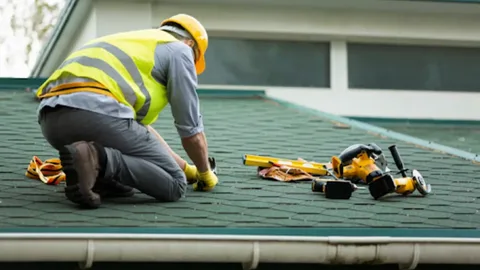
Few components of a building take a harder beating from the elements than the roof. In the Greater Toronto Area, roofs absorb heavy snow loads, ice damming, spring downpours, and summer UV exposure in the same calendar year — a combination that ages roofing materials faster than most homeowners expect. Understanding when a roof needs a simple repair versus a full replacement can save property owners thousands of dollars and prevent minor issues from becoming major structural problems.
Why the GTA Climate Is Especially Hard on Roofs
Toronto and Mississauga winters bring repeated freeze-thaw cycles that stress shingles, flashing, and underlayment. Snow that melts during the day and refreezes overnight often forms ice dams along the roof edge, forcing water backward under shingles instead of off the roof. Combined with wind-driven rain in spring and intense UV exposure in summer, GTA roofs are under near-constant environmental pressure — which is why regular inspection and prompt repair matter more here than in milder climates.
Repair or Replace? Key Factors to Weigh
Deciding between repair and full replacement comes down to a handful of practical considerations:
- Roof age — most asphalt shingle roofs last 20 to 30 years; a roof nearing that range is often a better candidate for replacement than continued patching
- Extent of visible damage — a few missing or cracked shingles can usually be repaired, but widespread deterioration across the roof surface typically points to replacement
- Leak history — a single, isolated leak is often repairable, while recurring leaks in different areas suggest the underlayment itself has failed
- Structural sagging — any visible dip or sag in the roofline signals a structural issue that needs immediate professional attention, not a cosmetic fix
- Granule loss — shingles shedding granules, especially near gutters and downspouts, indicate the protective layer is wearing thin
A proper on-site assessment is the only reliable way to know which category a given roof falls into, since age and appearance alone don’t always tell the full story.
What Roof Repair Typically Involves
Many roofing problems don’t require tearing off the entire roof. Common repair work includes sealing isolated leaks, replacing individual damaged shingles, repairing deteriorated flashing around chimneys and vents, and clearing clogged gutters that trap water against the roof edge. Addressing these issues promptly — rather than waiting for them to worsen — is one of the most effective ways to extend a roof’s usable life and avoid premature replacement costs. This kind of preventative maintenance often overlaps with related building envelope work, such as caulking and sealant repair around rooflines, vents, and parapet walls, where failed seals are a common source of water intrusion.

What a Full Roof Replacement Involves
When a roof has reached the end of its service life or sustained widespread damage, replacement becomes the more cost-effective path. A well-managed replacement project generally follows a clear sequence: an initial inspection and estimate, selection of roofing material (asphalt shingles, metal, or other systems suited to the building type), removal of the old roofing down to the deck, installation of new underlayment and roofing material, and a final inspection with site clean-up. On commercial and multi-unit properties, roof replacement is frequently coordinated alongside other exterior work — masonry repair on parapets, concrete repair on rooftop structures, or siding installation and repair along the building envelope — so the entire exterior is addressed with a consistent standard of workmanship.
Choosing a Roofing Contractor in the GTA
Not every roofing crew is equipped to handle the range of conditions found across Toronto, Mississauga, and the wider GTA. When evaluating a contractor, look for proper licensing and insurance, a documented track record on similar properties, clear written estimates that break down materials and labour, and warranties covering both materials and workmanship. For commercial buildings and condominiums, it’s also worth confirming the contractor’s experience coordinating roof work with other exterior restoration needs, since roofing rarely exists in isolation from the rest of the building envelope.
Protecting Your Property Long-Term
A roof in good condition does more than keep water out — it supports energy efficiency, protects interior finishes, and preserves resale value. Deferred roof maintenance is one of the most common ways minor issues turn into expensive structural repairs, particularly in a climate as demanding as Toronto’s. Scheduling a professional inspection at the first sign of trouble is almost always the more economical choice compared to waiting for a leak to cause interior damage.
Frequently Asked Questions
How long does a roof last in the Toronto and GTA climate? Most asphalt shingle roofs last between 20 and 25 years in this region, though freeze-thaw cycles and ice damming can shorten that lifespan if maintenance is neglected. Metal roofing systems often last considerably longer but come with a higher upfront cost.
How can I tell if my roof has storm damage? Look for missing, curled, or cracked shingles, granules collecting in gutters, dented flashing, and any new water stains on ceilings or walls after a storm. A professional inspection after severe wind or hail events is the safest way to catch damage before it leads to a leak.
Does home insurance cover roof replacement? Coverage depends on the cause of damage and the policy itself — storm and wind damage is often covered, while replacement due to age or lack of maintenance typically is not. Reviewing your policy and documenting damage with photos and a contractor’s assessment helps support any claim.
Can roof repairs be done in winter? Emergency repairs, such as sealing an active leak, can often be handled in colder months, but full replacements are best scheduled in warmer, drier conditions when shingles and sealants can properly bond. Many contractors use winter for inspections and planning so replacement work can begin as soon as conditions allow.
How much does roof replacement typically cost in the GTA? Pricing depends on roof size, pitch, material choice, and the condition of the existing deck. A detailed, written estimate following an on-site inspection is the only reliable way to get an accurate cost, since online cost calculators rarely account for property-specific factors.
If your roof is showing signs of wear or storm damage, contact our team to schedule a professional assessment and get a clear, written estimate for repair or replacement.
