 Skip to content
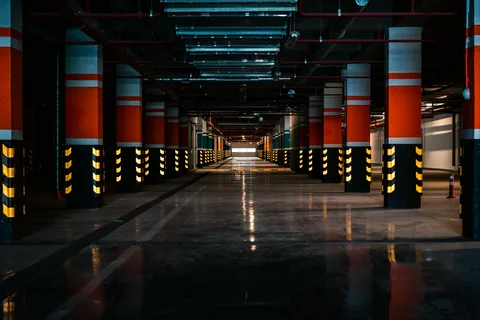
Have you ever parked underground and noticed white streaks on the ceiling, a damp patch near a column, or a rust-colored stain running down a wall? Most people walk past these signs. I have spent time looking at how buildings age, and I can tell you those small marks are often the first visible symptoms of a much bigger structural problem.
In this guide, I explain why underground garages deteriorate, what early warning signs to watch for, how professional repairs work, and how to choose trusted underground parking garage repair experts before minor damage turns into a six-figure emergency.
Why Underground Garages Fail Faster Than You Think
An underground garage is one of the harshest environments in any building. It sits below grade, surrounded by soil and groundwater, and it takes a daily beating from vehicles, temperature swings, and de-icing salts tracked in on tires.
Water Is the Root Cause
Concrete is strong but porous. Once water finds a path through cracks, cold joints, or failed membranes, it carries chlorides with it. Those chlorides reach the steel reinforcement (rebar) and break down the thin protective layer that normally keeps it from rusting.
Rust takes up more space than the steel it replaces. As the rebar corrodes and expands, it pushes the surrounding concrete outward, causing cracks, delamination, and eventually spalling, where chunks of concrete fall away. This is the same process that damages bridges, and it happens quietly inside the slab where nobody can see it.
Freeze-Thaw and Salt Make It Worse
In cold climates such as Canada and the northern United States, water trapped in concrete freezes, expands, and cracks the surface from within. Add road salt dripping off vehicles all winter, and you get a repeating cycle of damage. Every season, the cracks grow a little wider and let in a little more water.
Warning Signs Every Property Owner Should Know
You do not need an engineering degree to spot trouble. I recommend a quick walk-through of your garage each season, looking for the following:
- Efflorescence: white, chalky deposits that show water is moving through the concrete.
- Rust stains: brown streaks that suggest corroding rebar underneath.
- Cracks: especially those that are wider than a credit card’s thickness, run in a pattern, or leak.
- Spalling or delamination: flaking concrete, exposed steel, or a hollow sound when the surface is tapped.
- Ponding water: puddles that linger on the slab, which point to drainage or slope problems.
- Failed expansion joints and sealants: gaps that are open, cracked, or missing altogether.
If you see more than one of these, it is time to bring in a professional assessment rather than waiting for the next budget cycle.
What a Proper Repair Process Looks Like
Good repair work is not just patching what you can see. It follows a sequence, and each step matters.
Step 1: Condition Assessment
Reputable contractors begin with a detailed survey. This can include visual inspection, chain-drag or hammer sounding to find delaminated areas, and, where needed, testing for chloride content and corrosion potential. The result is a clear map of what is damaged, why, and how urgent each area is.
Step 2: Concrete Removal and Rebar Treatment
Unsound concrete is removed back to solid material. Exposed rebar is cleaned, and if section loss is significant, it is repaired or supplemented. Corroded steel is then protected with coatings or, in some cases, sacrificial anodes that slow further corrosion.
Step 3: Structural Concrete Repair
Repair mortars or concrete are selected to match the strength and behavior of the existing structure. Poorly matched materials tend to crack or debond, so this is a place where experience shows.
Step 4: Waterproofing and Protection
This is the step that decides whether the repair lasts. Crack injection, joint sealants, traffic-bearing membranes, and penetrating sealers keep new water out. Without it, the same damage will come back in a few years.
Step 5: Drainage and Maintenance Planning
The best contractors also look at how water leaves the garage. Corrected slopes, clear drains, and a simple annual maintenance plan can extend the life of the restoration significantly.

How to Choose Trusted Underground Parking Garage Repair Experts
Price matters, but it should not be the only factor. A low bid that skips waterproofing can cost far more over a decade. Here is what I would look for.
Proven Experience With Underground Structures
Underground garages are different from open-air parkades. Look for a contractor who can show completed projects involving below-grade slabs, foundation walls, and waterproofing. Restoration firms like CCD Group Building Restoration, which focus on underground garage structure repairs for buildings in the Greater Toronto Area, illustrate the kind of specialization worth seeking out.
Engineering Coordination and Clear Documentation
Ask whether the contractor works with structural engineers, provides written reports, and documents work with photos and test results. Clear scopes and line-item quotes make it easier to compare bids fairly.
Safety, Insurance, and Local Compliance
Confirm liability insurance, workers’ compensation coverage, and a solid safety record. Garage work involves confined spaces, dust, and heavy equipment, so professionalism here is a good indicator of overall quality.
References and Warranty
Request references from similar buildings, ideally condominiums, commercial towers, or apartment complexes of comparable size. A meaningful written warranty on waterproofing and repair work shows that a contractor stands behind the result.
The Cost of Waiting
Deferred maintenance is the most expensive kind. A small leak repaired early might cost a few thousand dollars. The same leak ignored for five years can lead to corroded rebar, structural repairs, full membrane replacement, and in the worst cases restricted parking or emergency shoring. Property boards and managers also face liability if a known hazard is left unaddressed.
Final Thoughts
Underground parking garages rarely fail suddenly. They send signals for years: a stain here, a crack there, a puddle that never dries. The owners who pay attention, book an assessment early, and hire trusted underground parking garage repair experts usually spend less and worry less than those who wait.
If your garage is showing any of the signs above, start with an assessment and a clear plan. It is one of the most cost-effective decisions a building owner can make.
FAQs
How often should an underground parking garage be inspected?
I recommend a quick visual walk-through every season and a professional condition assessment at least every three to five years. Older garages, or those with known leaks, benefit from more frequent checks.
How long do underground garage repairs take?
It depends on the extent of damage. Minor crack injection and joint sealing can take days, while large-scale concrete removal, rebar repair, and membrane installation can take several weeks or months. Phased work usually keeps part of the garage open.
Can water leaks in a parking garage be fixed without major construction?
Sometimes. Isolated leaks can often be stopped with crack injection or sealant repairs. However, if the waterproofing membrane has failed or rebar is corroding, a surface fix will not last, and a more complete repair is needed.
What is the difference between cosmetic and structural garage repairs?
Cosmetic repairs, such as patching or repainting, improve appearance but do not address the cause of the damage. Structural repairs restore load-carrying capacity by fixing damaged concrete and reinforcement, and they should always include waterproofing.
How much does underground parking garage repair cost?
Costs vary widely with the size of the garage, the severity of deterioration, and the repair method. The most reliable approach is to get a professional assessment first, then request detailed, line-item quotes from at least three qualified contractors.
