 Skip to content
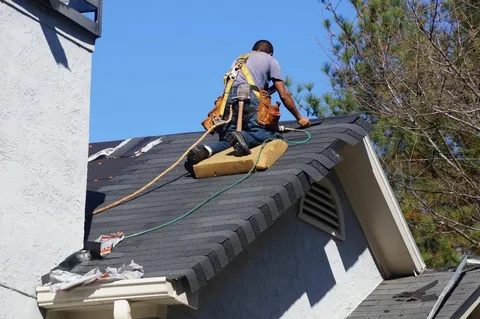
Roof replacement and roof repair are the two methods homeowners use to restore a roof’s ability to control water, heat, and structural loads. Repair addresses isolated damage on a roof that is still sound. Replacement removes the entire roofing system and installs a new one when age or widespread damage makes patching uneconomical. Choosing correctly protects your home from water intrusion, energy loss, and structural decline — and choosing wrongly costs you twice. This guide explains the differences, decision points, and qualities that define a reliable roofing contractor across Toronto, Mississauga, and the wider GTA.
What Is the Difference Between Roof Repair and Roof Replacement?
Roof repair is a targeted intervention. A roofer reseals a minor leak, swaps a handful of cracked or missing shingles, replaces failed flashing around chimneys and skylights, or clears gutters that trap standing water. Sealing those flashing joints often overlaps with professional caulking work, which keeps water out of the same vulnerable transitions. Repair suits roofs where the damage covers a small area and the underlying deck remains dry and intact.
Roof replacement is a full-system rebuild. The contractor strips the old shingles, underlayment, and flashing down to the deck, then installs a new weatherproof assembly from the underlayment up. Replacement becomes the rational choice when damage is widespread, the roof has reached the end of its service life, or repeated repairs no longer hold.
The deciding variable is scope. Localized damage points to repair. Systemic failure points to replacement.
When Should You Replace Your Roof Instead of Repairing It?
Five signals indicate that replacement is the better investment.
Age. Most asphalt shingle roofs last 20 to 30 years. A roof approaching that range will keep demanding repairs, so replacement usually costs less over time.
Damage extent. When more than roughly 30 percent of the roof surface is compromised, full replacement is generally more economical than piecemeal fixes.
Persistent leaks and water stains. Recurring damp spots on ceilings suggest the roof is no longer waterproof across a wide area, a condition repairs rarely solve.
Sagging. A dipping or uneven roofline signals structural trouble, often from rot or trapped moisture in the deck. Sagging warrants immediate replacement to remove the safety risk, and any related deterioration in chimneys or load-bearing walls may also call for masonry repair.
Granule loss. Shingle granules collecting in gutters mean the protective layer is wearing away and the shingles are near the end of their life.
One of these signs justifies an inspection. Several together usually justify replacement.
What Does the Roof Replacement Process Involve?
A professional roof replacement follows a predictable sequence, and knowing it helps you judge whether a contractor is doing the job properly.
- Inspection and estimate. The roofer assesses the deck, identifies the right solution, and issues a written estimate covering materials, labour, and permits.
- Material selection. You choose between asphalt shingles, metal, clay tile, or slate, weighing cost, lifespan, and appearance.
- Tear-off. Crews strip the old shingles, underlayment, and flashing to expose the deck and inspect it for hidden rot.
- Installation. A new underlayment goes down first as a moisture barrier, followed by shingles or tiles fastened into a continuous weatherproof surface.
- Final inspection and cleanup. The contractor verifies the installation, then clears debris and nails from your property.
Each stage exists for a reason. A crew that skips the deck inspection or rushes the underlayment is cutting corners you will pay for later.

Which Roofing Materials Last the Longest?
Roofing material determines both upfront cost and long-term value. Asphalt shingles are the most affordable and widely used, with a 20-to-30-year lifespan that suits most GTA homes. Metal roofing costs more but resists wind, sheds snow well, and lasts decades longer. Clay tile and slate carry the highest price and the longest service life, and they reward homeowners who plan to stay put. The right choice balances your budget, your climate exposure, and how long you intend to own the home.
How Do You Choose a Roofing Contractor in the GTA?
The contractor matters as much as the material. Four standards separate dependable roofers from risky ones.
- Licensing and insurance protect you if an accident occurs on site and confirm the work meets local building codes.
- Demonstrated experience — verifiable reviews, testimonials, and a project portfolio — shows the company can deliver.
- A clear written estimate detailing scope, materials, timeline, and cost signals professionalism. Vague or unusually low quotes signal the opposite.
- Warranties on materials and labour mean problems after completion remain the contractor’s responsibility, not yours.
Protect Your Home Before Small Problems Become Large Ones
A roof rewards attention and punishes neglect. Timely repairs extend its life, and a well-timed replacement preserves your home’s safety, energy efficiency, and resale value. Whether you need a single shingle replaced or a complete new roof, partnering with a licensed, insured, and experienced contractor across Toronto, Mississauga, and the GTA is the surest way to keep what is over your head working for decades. Contact our team for a free estimate before a small problem becomes a costly one.
