 Skip to content
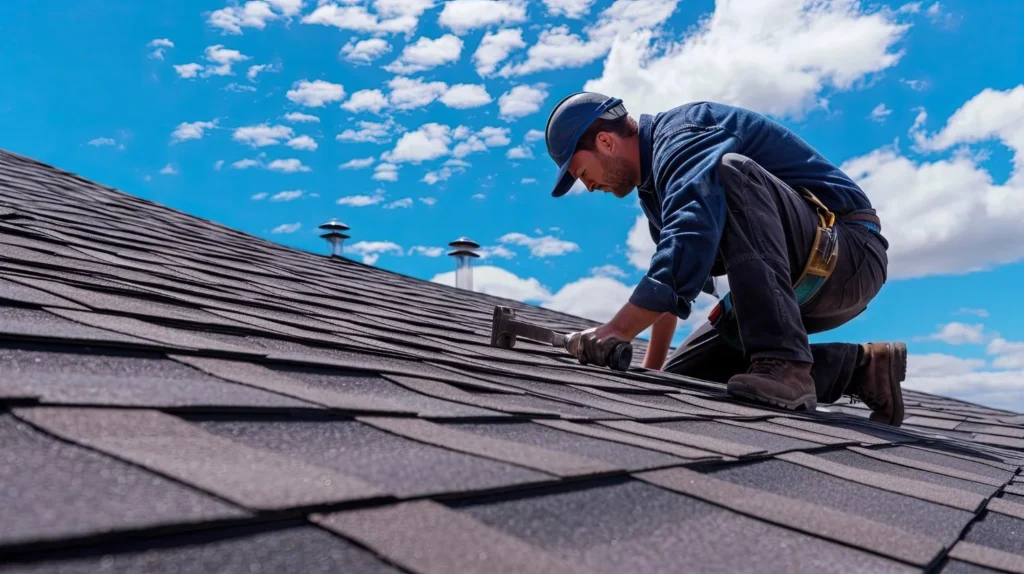
If you own property in Mississauga, Toronto, or anywhere else in the GTA, your roof works harder than almost any other part of your building. Between summer heat, freeze-thaw cycles every winter, and the occasional ice storm, southern Ontario roofs take a real beating. So when a leak shows up or shingles start looking rough, the first question is always the same: do you repair it, or replace it?
Here’s how to make that call — and what to expect either way.
Why GTA Roofs Wear Out Faster Than You’d Think
Toronto and Mississauga sit in a climate zone that puts extra stress on roofing materials. Every winter, snow melts and refreezes on the roof, forcing water into tiny cracks and expanding them with each cycle. Add in humid summers, UV exposure, and the occasional wind storm off Lake Ontario, and it’s easy to see why even a well-installed asphalt shingle roof can start showing its age well before the manufacturer’s estimated lifespan.
For most GTA homes, that lifespan sits somewhere between 20 and 25 years for asphalt shingles — shorter than what you’d see in a milder climate. Commercial flat roofs face similar pressures, especially where pooling water and ice damming are common.
Signs You’re Looking at a Repair, Not a Replacement
Not every roofing issue means starting over. In many cases, a targeted repair can add years of life to an otherwise healthy roof. Watch for these smaller, fixable problems:
- A handful of missing or cracked shingles after a storm, rather than widespread deterioration
- A single active leak traced to one clear source, like damaged flashing around a chimney or vent
- Clogged or damaged gutters causing water to back up under the roof edge
- Minor granule loss in one area, without widespread thinning across the whole roof
If the damage is confined to a small section and the underlying roof deck remains sound, repair is usually the faster and more cost-effective route.
Signs It’s Time for a Full Replacement
Some warning signs point to a roof that’s past the point where patching makes sense:
- Age. If your roof is approaching or past the 20–25-year mark, repairs become a temporary fix for a system that’s failing overall.
- Widespread shingle damage. Once curling, cracking, or granule loss covers a large portion of the roof, individual repairs won’t keep pace with new problems.
- Multiple or recurring leaks. Leaks appearing in different spots — or the same spot despite repeated repairs — usually mean the underlayment or deck has failed.
- Sagging. A visibly sagging roofline is a structural red flag caused by water damage or rot, and it should be addressed immediately, not patched.
- Daylight or moisture in the attic. If you can see light coming through the roof boards, or insulation is damp, water has already gotten past the surface layer.
As a rule of thumb, once repair costs approach 30–40% of a full replacement, replacement is almost always the better long-term investment.
What the Replacement Process Actually Looks Like
For property owners who haven’t been through it before, a professional roof replacement typically follows this sequence:
- Inspection and estimate — A contractor assesses the roof deck, flashing, ventilation, and overall condition, then provides a written quote covering materials, labor, and permits where required.
- Material selection — Asphalt shingles remain the most common choice for GTA homes due to cost and durability, though metal roofing and other systems are worth considering for longer lifespans or specific architectural styles.
- Tear-off — The old roofing material is stripped down to the deck so the crew can inspect for hidden rot or damage before installing anything new.
- Installation — New underlayment goes down first as a moisture barrier, followed by the new roofing material, properly fastened and flashed at all vulnerable points (chimneys, vents, valleys).
- Final inspection and clean-up — A thorough check confirms everything is sealed and secure, followed by full site clean-up, including nail sweeps.
For condominium buildings and commercial properties, this process is often coordinated alongside a reserve fund study or engineering report, since roof replacement is typically one of the larger capital expenses a building will face. It’s also worth noting that roof failures rarely stay isolated — water that gets past a failing roof deck can travel down through a building’s structure, contributing to the same kind of concrete deterioration we often see in parking levels and underground garage structures below.
Choosing a Contractor in Mississauga, Toronto, or the GTA
Whichever direction your roof needs — repair or replacement — the contractor matters as much as the material. Look for:
- Proper licensing and insurance
- A written, itemized estimate (vague quotes are a red flag)
- Local experience with GTA weather conditions and building codes
- Clear warranty terms on both materials and workmanship — check what’s included in our roof replacement and repair services before signing anything
A roof problem rarely gets better on its own. Whether it’s a single missing shingle or a full tear-off, getting an honest assessment early is the best way to protect your property — and your budget — before the next Ontario winter arrives.
Get a Free Roof Inspection in Mississauga, Toronto & the GTA
Not sure whether your roof needs a repair or a full replacement? Don’t guess — get an honest, no-obligation assessment from a local team that knows how GTA winters treat roofs.
Contact CCD Group Building Restoration today to book your free inspection and estimate. Our team will walk your property, give you a clear recommendation, and outline transparent pricing — no pressure, no surprises.
