 Skip to content
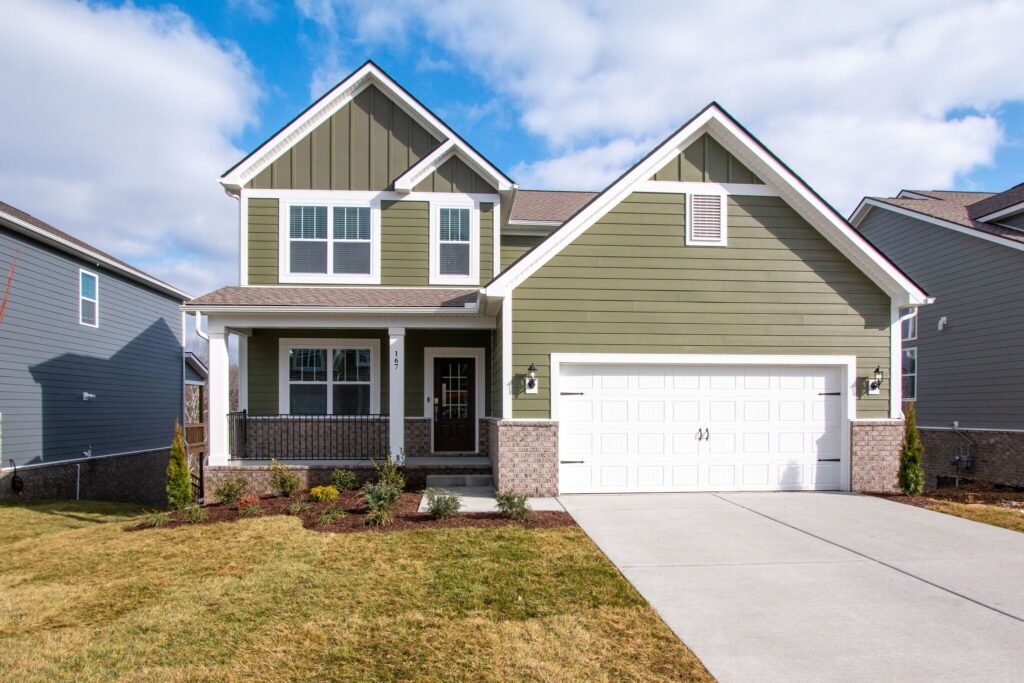
Exterior cladding takes the brunt of everything a Toronto-area winter and summer can produce: freeze-thaw cycling, humidity swings, driving rain, and long stretches of direct UV exposure. For homeowners across the Greater Toronto Area, siding is often the single largest visible surface on a property and one of the most functionally important, since it’s the first line of defense between the wood framing behind it and the weather in front of it.
This article looks at siding through a practical lens: what actually causes it to fail in this climate, how installation quality affects long-term performance, and how a homeowner should decide between a targeted repair and a full replacement.
What Siding Is Actually Protecting
Siding isn’t just an exterior finish it’s part of a layered wall assembly that includes house wrap, insulation, sheathing, and framing. Its primary job is to shed water away from the building envelope before it ever reaches the structural layers underneath. When siding fails, the visible damage (a cracked panel, a faded section) is rarely the real problem; the concern is what’s happening behind it — trapped moisture, rotting sheathing, or compromised insulation.
This is why siding issues left unaddressed tend to compound. A small gap at a seam doesn’t stay small; water tracks behind the cladding, and by the time interior signs appear — a musty smell, a soft spot on drywall, a spike in heating costs the damage has usually been progressing for one or more seasons already.
How the GTA Climate Accelerates Siding Wear
Southern Ontario’s climate creates a specific combination of stresses that siding materials have to withstand year-round:
- Freeze-thaw cycling: Water that gets behind siding in the fall can freeze, expand, and force panels apart over a single winter, widening existing gaps and seams.
- Humidity and condensation: Summer humidity combined with air conditioning creates temperature differentials across the wall assembly, which can drive moisture migration even without a direct leak.
- UV degradation: South- and west-facing walls fade and become brittle faster than shaded elevations, which is why uneven color and material stiffness across a single house is common.
- Wind-driven rain: Storms don’t just deposit water on a surface — wind pressure pushes it laterally and upward, testing every seam, corner, and fastener point rather than just horizontal joints.
Because these forces act differently at every elevation, a full-house inspection should never rely on a single wall’s condition as a proxy for the rest of the building — the south wall and the north wall often age at noticeably different rates.
Recognizing When Siding Needs Repair or Replacement
Siding problems tend to fall into a few recognizable categories, each pointing to a different underlying cause:
Visible panel damage — cracking, warping, or missing sections — usually indicates either impact damage or age-related material fatigue. Left alone, gaps at damaged points become entry paths for moisture and pests.
Peeling or fading finish — common on painted wood siding — often signals that the substrate beneath the finish has already begun absorbing moisture, not just that the paint is cosmetically due for a refresh.
Bubbling or warping is a moisture-related symptom, almost by definition: the material is expanding unevenly because it’s retaining water it shouldn’t. This is one of the clearest signs that repair should happen quickly, before the affected area expands.
Rising energy bills without an obvious cause can indicate a compromised thermal envelope — siding assemblies also contribute to the insulating value, and gaps or failed sections allow conditioned air to escape more than most homeowners expect.
Pest activity around siding edges, especially near ground level or roof intersections, often indicates an existing gap that has gone unnoticed long enough for insects or small animals to gain access.
Repair vs. Replacement: How the Decision Actually Gets Made
The repair-versus-replace decision usually comes down to scope and pattern, not just severity of a single spot:
- Isolated damage on an otherwise sound wall—such as a cracked panel or a failed seal at a window—is typically a straightforward repair. Matching panels are swapped, seams resealed, and the surrounding material is otherwise left intact.
- Widespread wear across one or more elevations: fading, warping, or moisture symptoms recurring in multiple locations usually signals that the underlying material has reached the end of its service life, even if any single spot looks repairable on its own.
- Damage tied to a wall assembly problem (persistent moisture behind multiple panels, for example) often means the siding itself isn’t the root cause — inadequate flashing, house wrap failure, or drainage issues need to be addressed as part of the scope, or the same damage will recur regardless of how new the surface siding is.
A contractor who proposes a scope without opening up at least a sample area to check the assembly behind visibly damaged siding is working from assumption rather than evidence — which is a reasonable point to ask about before committing to a quote.
Material Considerations for GTA Properties
Different siding materials perform differently under the specific stresses described above:
- Vinyl is the most common residential choice in the region — cost-effective and low-maintenance, though it can become brittle in extreme cold and shows UV fading over time on darker colors.
- Fiber cement handles moisture and fire resistance well and holds paint longer than wood, at a higher material and installation cost.
- Wood siding offers the most traditional aesthetic but demands the most ongoing maintenance — repainting, sealing, and monitoring for moisture absorption — particularly in a humid climate.
- Metal and composite siding differ in upfront cost, insulating value, and long-term durability, and are worth discussing directly in relation to a property’s specific exposure and budget.
The right material choice depends less on brand preference and more on which elevation is being clad, how much direct sun and wind-driven rain that side of the house receives, and how much ongoing maintenance a homeowner is realistically willing to do.
What a Professional Installation Should Include
Installation quality affects siding performance as much as material choice does. A properly executed installation involves:
- Assessment of the existing wall assembly, not just the visible siding, before removal begins
- Verification or replacement of house wrap and flashing the moisture barrier behind the siding matters more than the siding itself for long-term water management
- Correct fastening and spacing, since siding that’s fastened too tightly can’t expand and contract with temperature changes, leading to buckling
- Properly sealed seams and transitions, especially around windows, doors, and corner details where most water intrusion originates
- A final inspection pass checking alignment, gaps, and fastener consistency before the crew leaves site
Skipping the underlayment and flashing review is one of the most common shortcuts in lower-quality installations — it’s invisible once the new siding is up, but it’s usually the actual determinant of how long that siding lasts.
Choosing a Siding Contractor in the GTA
Beyond price, a few factors distinguish a reliable siding contractor from one likely to cause repeat problems:
- Licensing and insurance, confirmed rather than assumed
- A written, itemized estimate covering materials, labor, and scope — vague or unusually low quotes are a common red flag
- Willingness to inspect before quoting, including opening a sample section if moisture damage is suspected
- Warranty terms on both materials and labor, clearly stated rather than implied
- A track record specific to the region’s climate, since installation details that work in drier climates don’t always hold up here
Frequently Asked Questions
How long does siding typically last in the GTA?
Vinyl siding generally lasts 20–30 years, fiber cement 25–40 years, and wood siding 15–25 years with regular maintenance — though actual lifespan depends heavily on installation quality, sun exposure, and how promptly minor damage gets addressed.
Can siding repair be done in winter?
Some repairs can proceed in cold weather, but many siding materials become more brittle and harder to work with below certain temperatures, and sealants may not cure properly. Most contractors recommend scheduling non-urgent repairs for warmer months when possible.
Does new siding actually improve energy efficiency?
Yes, particularly when old siding has gaps, damaged insulation backing, or has separated from the wall assembly. The improvement comes as much from sealing the envelope properly as from the siding material itself.
How do I know if moisture damage extends behind my siding?
Signs include soft or discolored drywall on interior walls, musty odors near exterior walls, visible warping or staining on the siding itself, or an unexplained rise in heating and cooling costs. A contractor can open a small test section to confirm before scoping a larger repair.
Is it worth repairing siding on an older home instead of replacing it?
Often, yes, if the damage is isolated and the wall assembly behind it is sound — repair extends the service life of otherwise functional material at a fraction of the full replacement cost. It becomes less worthwhile once damage is widespread or recurring across multiple areas.
Final Thoughts
Siding decisions in the GTA come down to matching the material and installation approach to how the local climate affects a building over time — not just choosing based on appearance or upfront cost. Homeowners who treat early warning signs (a warped panel, a fading section, a small gap at a seam) as information rather than a cosmetic nuisance tend to spend far less over the life of their home than those who wait for a full-scale failure. Whether the right next step is a targeted siding installation and repair service or a broader look at the full range of exterior restoration services available, starting with an honest assessment determines whether the fix lasts for years or just seasons.
If moisture damage is suspected, it’s often connected to other building envelope issues — caulking and sealant failure around windows and doors, or flashing and structural concerns at the foundation line — which is worth mentioning to a contractor during the initial assessment rather than after a scope is already set.
To review examples of completed work or learn more about the team behind a project, the company’s project gallery and about page are useful starting points before requesting a quote.
