 Skip to content
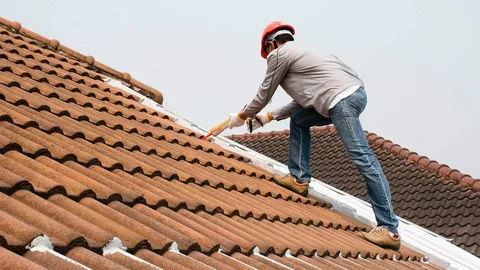
A roof is not a single product — it is a system of interdependent components: the deck, the underlayment, the membrane or shingles, the flashing, and the drainage path. Each component has its own failure pattern, its own lifespan, and its own repair logic. Understanding roofing as a system, rather than as one monolithic surface, is the foundation for making the right decision between roof repair and roof replacement in Toronto’s climate — a climate defined by freeze-thaw cycling, lake-effect snow loads, and seasonal ice damming along the GTA corridor.
This guide breaks down the entities, attributes, and relationships that define professional roofing work in Toronto, Mississauga, and the wider Greater Toronto Area, so property owners can evaluate their roof’s condition with the same framework a roofing contractor would use.
Why the Roof Is the Primary Building Envelope Component
The building envelope is the barrier separating conditioned interior space from the exterior environment. The roof is the single largest and most exposed element of that envelope. Its condition directly determines three downstream outcomes:
-
Moisture control:
A compromised roof membrane allows water infiltration, which travels along rafters and sheathing before appearing as an interior stain — meaning visible damage inside the home is often a lagging indicator, not an early one.
-
Thermal performance:
Roof assemblies account for a disproportionate share of a building’s heat loss in winter and heat gain in summer. Damaged insulation or ventilation at the roofline forces HVAC systems to compensate, raising energy costs.
-
Structural load distribution:
Roof decking and trusses carry snow load, wind uplift, and the dead weight of roofing material itself. When decking rots or trusses sag, the roof’s ability to carry design loads is compromised, which is a life-safety issue, not a cosmetic one.
Because these three functions are interconnected, roofing decisions are rarely isolated from the rest of the building envelope. Roof failures frequently correlate with issues in adjacent systems — deteriorated siding at the roofline, cracked masonry at parapet walls, or failed caulking around flashing transitions. A thorough roofing assessment should always consider these connection points, not just the field of the roof itself.
Roof Repair vs. Roof Replacement: How the Decision Is Actually Made
The repair-versus-replacement decision is governed by a small set of measurable variables rather than intuition. A qualified roofing contractor evaluates:
1. Roof Age Relative to Material Lifespan
Asphalt shingle roofs typically last 20–30 years, while metal roofing, slate, and clay tile systems can exceed 50 years under proper maintenance. A roof approaching or exceeding its material’s expected service life is a stronger candidate for replacement, since repair costs on an aging system tend to recur.
2. Extent and Distribution of Damage
Localized damage — a handful of cracked or missing shingles, an isolated leak at a single penetration — is a repair scenario. Damage distributed across more than roughly 30% of the roof surface, or damage that recurs in multiple unrelated areas, indicates systemic material failure rather than an isolated defect, which shifts the calculation toward full replacement.
3. Water Intrusion Patterns
A single, identifiable leak traced to a specific flashing failure or nail pop is repairable. Persistent staining, multiple ceiling stains in unrelated rooms, or damp insulation discovered during an attic inspection suggest the waterproofing layer itself has failed, not just one component of it.
4. Structural Signs — Sagging and Deflection
A visibly sagging roofline is a structural warning sign, often linked to deck rot, truss damage, or long-term moisture saturation. This condition requires prompt evaluation and is rarely resolved through repair alone.
5. Granule Loss and Surface Erosion
Asphalt shingles rely on mineral granules for UV protection and fire resistance. Accelerated granule loss — visible as bald patches or granule accumulation in gutters — indicates the shingles are past their effective protective life, even if no active leak is present yet.

The Roof Repair Process: Scope and Common Interventions
Roof repair addresses defined, localized failures without disturbing the entire roofing system. Common repair categories include:
- Leak diagnosis and sealing: Tracing a leak to its true source (which is often several feet from where water appears indoors) and sealing the entry point.
- Shingle replacement: Swapping damaged or missing shingles while matching existing material to preserve uniform weatherproofing.
- Flashing repair: Flashing at chimneys, vents, skylights, and wall-to-roof transitions is a frequent failure point because it involves multiple materials meeting at a single joint. Deteriorated flashing is re-sealed or replaced to restore a continuous water barrier.
- Gutter and drainage clearing: Blocked gutters cause water to pool at the roof edge, accelerating deterioration of the fascia and lower courses of shingles. Clearing drainage paths is a low-cost intervention with a disproportionately high protective value.
Routine repair, paired with scheduled inspection, is the most cost-effective way to extend a roof’s service life and defer the larger capital expense of full replacement.
The Roof Replacement Process: What Property Owners Should Expect
Full roof replacement follows a defined sequence, and understanding each stage helps property owners evaluate contractor proposals critically.
Inspection and estimate
A contractor assesses deck condition, ventilation, insulation, and the scope of existing damage, then produces a written estimate covering materials, labour, and permitting where applicable.
Material selection
Common systems for GTA properties include asphalt shingles (cost-effective, widely used residentially), metal roofing (long service life, strong snow-shedding performance), and clay tile or slate (premium durability, higher upfront cost). Material choice should account for roof pitch, building type, and long-term maintenance expectations, not price alone.
Tear-off
The existing roofing material, underlayment, and flashing are removed down to the deck, exposing the substrate for inspection. This step often reveals hidden deck damage that couldn’t be assessed from the surface.
Deck repair
Any rotted or compromised sheathing is replaced before new roofing is installed — skipping this step is one of the most common causes of premature roof failure after a replacement.
New system installation
A new underlayment is laid first as a secondary moisture barrier, followed by the roofing material itself, installed according to manufacturer specification and local building code requirements for the GTA’s climate zone.
Final inspection and site clean-up
The completed roof is inspected for proper fastening, sealed penetrations, and consistent coverage, and the work site is cleared of debris and old material.
Choosing a Roofing Contractor in Toronto and the GTA
Not all roofing quotes are comparable, because scope, material grade, and warranty terms vary significantly between contractors. When evaluating a roofing company, verify:
- Licensing and insurance, which protects the property owner from liability in the event of an on-site incident and confirms compliance with local building codes.
- Demonstrated project history, including references, documented past work, and a portfolio relevant to your building type — residential, low-rise, or commercial.
- A detailed written estimate, itemizing materials, labour, disposal, and timeline. Vague or unusually low quotes are a common indicator of scope-cutting that surfaces later as change orders.
- Warranty coverage on both materials and workmanship, since manufacturer warranties typically cover material defects only, while a separate labour warranty protects against installation errors.
Roofing as Part of a Broader Building Restoration Strategy
Because water intrusion rarely respects a single trade boundary, roof issues are frequently diagnosed alongside other envelope conditions. Deteriorated roof flashing can accelerate concrete deterioration at parapets and balconies, while chronic roof-edge leaks often trace back to failed sealant joints addressed through professional caulking work. Property owners managing larger buildings should also be aware that moisture migrating from a compromised roof can eventually affect below-grade systems, including underground garage structures, if left unresolved.
Treating the roof as one component of a connected building envelope — rather than an isolated repair item — leads to more accurate diagnoses and fewer repeat service calls.
Conclusion: Protecting Your Property Starts at the Roofline
Whether a property needs an isolated repair or a complete roof replacement, the underlying goal is the same: maintaining a continuous, structurally sound barrier against water, wind, and thermal stress. Toronto’s freeze-thaw winters and seasonal storm activity make proactive roof assessment a practical necessity rather than an optional expense. Regular inspection, prompt repair of localized damage, and timely replacement once a roof reaches the end of its service life will consistently outperform a reactive, damage-driven approach — both in total cost and in protecting the building’s structural integrity.
For a professional roof assessment or a detailed replacement estimate in Toronto, Mississauga, or the GTA, contact the CCD Group Building Restoration team to schedule an on-site inspection.
